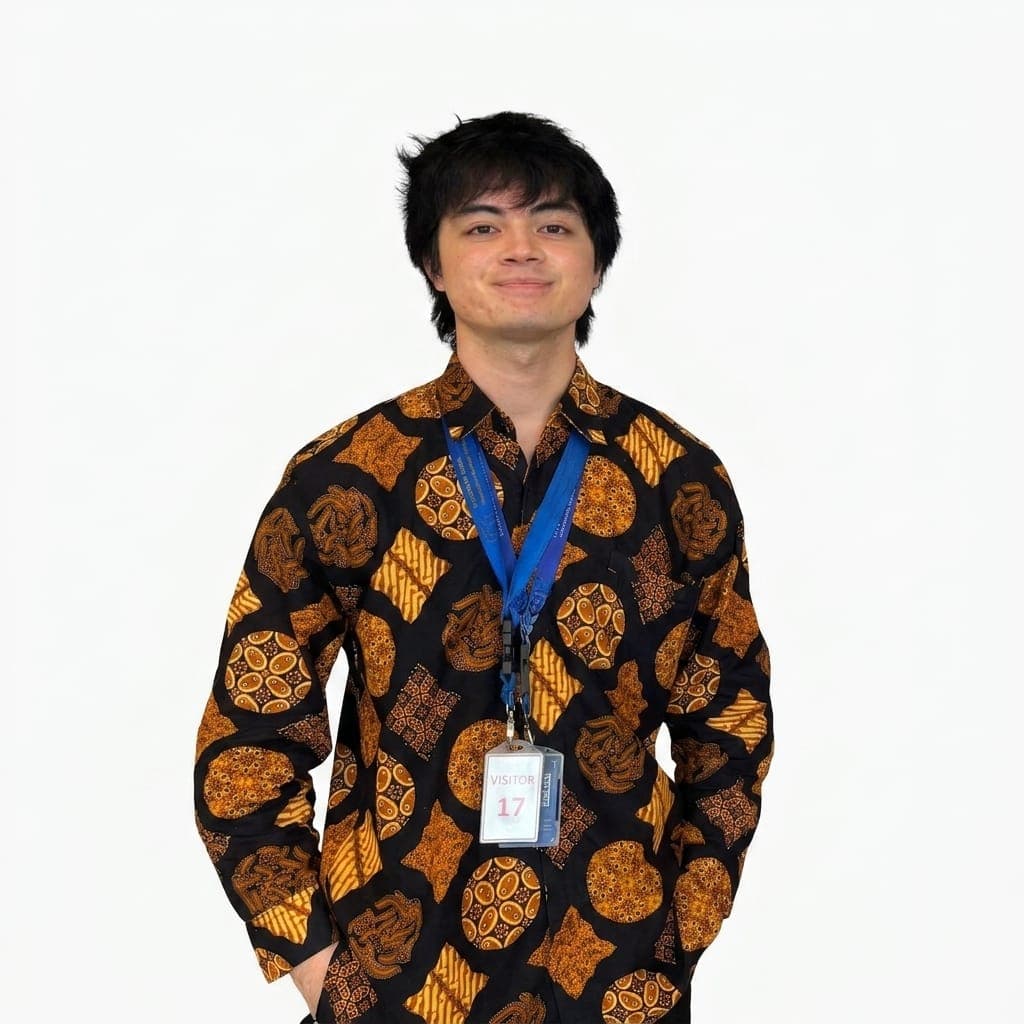
Frontroom Chair
Adam Patrick Hegarty
Past Experiences:
- ITBMUN 2026 CRISIS Frontroom Chair
- Economix MUN 2026 UNSC Head Chair
- Indonesia MUN 2023 UNSC Most Outstanding Delegate and Best Position Paper

The Fate of the Indonesian National Revolution: The Occupation of Yogyakarta and the General Offensive of 1 March 1949
By early 1949, the Indonesian National Revolution had reached a turning point. The dispute between the Indonesian Republic and the Netherlands was now about more than just which country had military control; it was now also a battle for political legitimacy and for what kind of future Indonesia would have. On December 19th, 1948, the Dutch launched an attack (Operation Kraai) on Yogyakarta (the capital city of the Republic). Many Republican leaders including President Sukarno and Vice President Mohammad Hatta were captured. The Dutch believed that their action would show that the Republican government could no longer function as a legitimate governing body and that they could restore Dutch authority. However, to the Republic, the capture of their leaders and their capital city presented them with a major problem: how would the revolutionary movement be able to continue without its political leadership and its capital city being controlled by the Dutch? In addition to the capture of their leaders and capital city, the Republic was facing many problems. The Republic continued to resist Dutch attacks outside of Yogyakarta. They began using guerrilla tactics against Dutch soldiers. Political leaders tried to keep the Republican government intact. International interest was developing through the United Nations. Both sides of the conflict were beginning to feel pressure to find a peaceful resolution to the conflict. Faced with so much uncertainty, Republican forces planned the General Offensive of March 1st, 1949. Their goal was to briefly take away Dutch control of Yogyakarta. Even though the military goal of the offensive was short-term, the offensive had larger implications for the perception of Republican power, the morale of Indonesians, and the level of international support that the Republic received. The main question that delegates need to answer is how does the Republic need to react to the occupation of Yogyakarta and retain its legitimacy, while still pursuing its objectives despite facing tremendous military and diplomatic obstacles?
Frontroom Chair
Past Experiences:
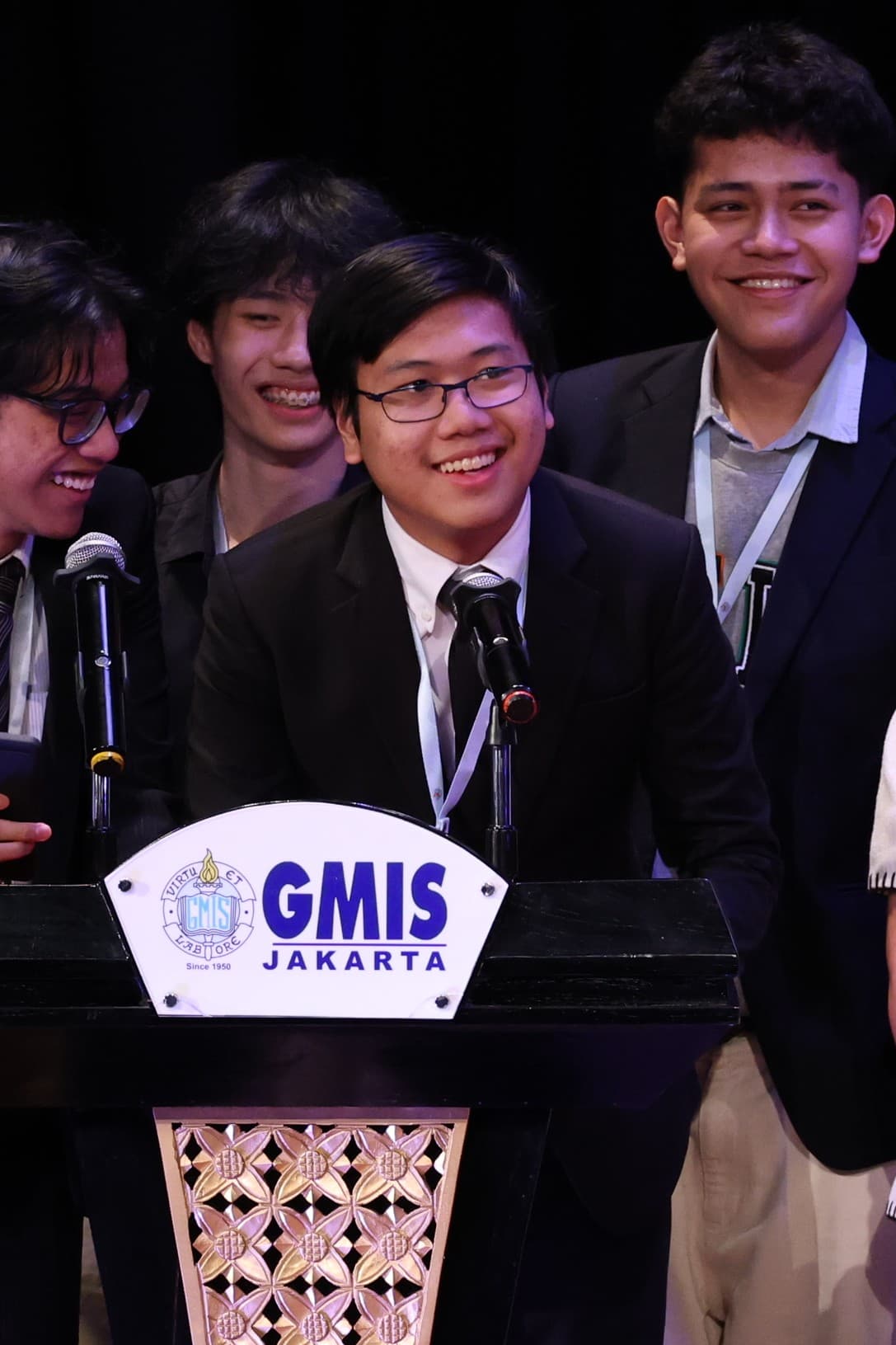
Backroom Chair
Past Experiences:

Join hundreds of brilliant minds and test your negotiation skills in the most rigorous diplomatic simulation. The council is waiting for your voice.